Journal/Vegetable Garden · 6 min
Raised Beds vs Containers: Which Should You Grow In?
Raised beds give volume and yield; containers give control and portability. A practical guide to picking (or combining) the two.
Quick answer
Choose raised beds if you have ground space and want maximum yield with less watering. Choose containers if you're on a balcony, have poor soil, or want to grow one crop at a time near the kitchen. Most home growers benefit from both.
The question isn't which is better in the abstract — it's which fits your space, time, and mobility. Both grow serious food; they just fail in different ways.
What raised beds win at
- Volume: more soil means steadier moisture and less watering.
- Root crops: carrots, parsnips and potatoes want depth.
- Cost per crop: cheaper once built.
- Yield per hour: fewer waterings, fewer feeds.
What containers win at
- Portability: chase the sun, move indoors for frost.
- Soil control: bad garden soil? Bypass it entirely.
- Pests: slugs struggle to climb a smooth pot.
- Balconies and paved yards: often the only option.
Container size by crop
| Crop | Minimum pot | Notes |
|---|---|---|
| Salad leaves | 15 cm deep tray | Cut-and-come-again |
| Herbs | 20 cm pot | One per pot |
| Tomatoes (bush) | 25 L pot | Water daily in heat |
| Potatoes | 40 L bag | 3 seed potatoes per bag |
Frequently asked questions
How deep does a raised bed need to be?
30 cm for salads and most vegetables. 45 cm gives room for carrots, parsnips and potatoes.
What's the biggest mistake with containers?
Using pots that are too small. A 5 L pot dries out in hours in summer and starves fruiting crops of nutrients.
Can I put a raised bed on paving?
Yes — line the base with landscape fabric (not plastic) to let excess water drain through.
About the author
Vegetable Garden & Seasons
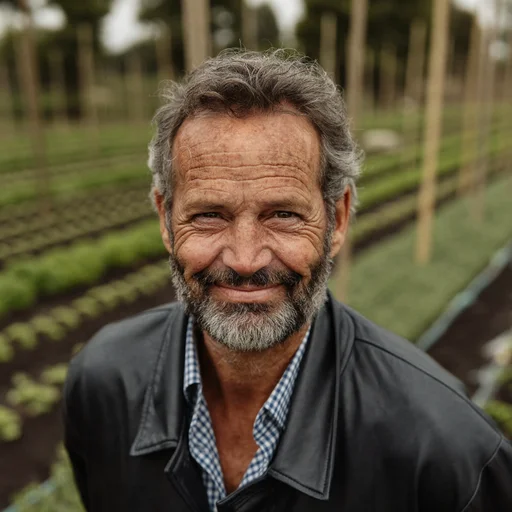
Arthur has worked the same allotment for thirty years and measures the calendar in sowings, not months. He writes practical, no-nonsense guides to growing food and keeping a garden honest through the seasons — and has little patience for folklore that doesn't survive contact with a real plot.
Try it yourself
Diagnose it instantly with PlantMe
Snap a photo of any plant or leaf. Get the species, the diagnosis, and a care plan in seconds.
Download on theApp Store