PlantMe PRO
The field tool of professional growers
The same one-photo identification and diagnosis — used on the job by grounds teams, horticulturists and landscape professionals around the world.
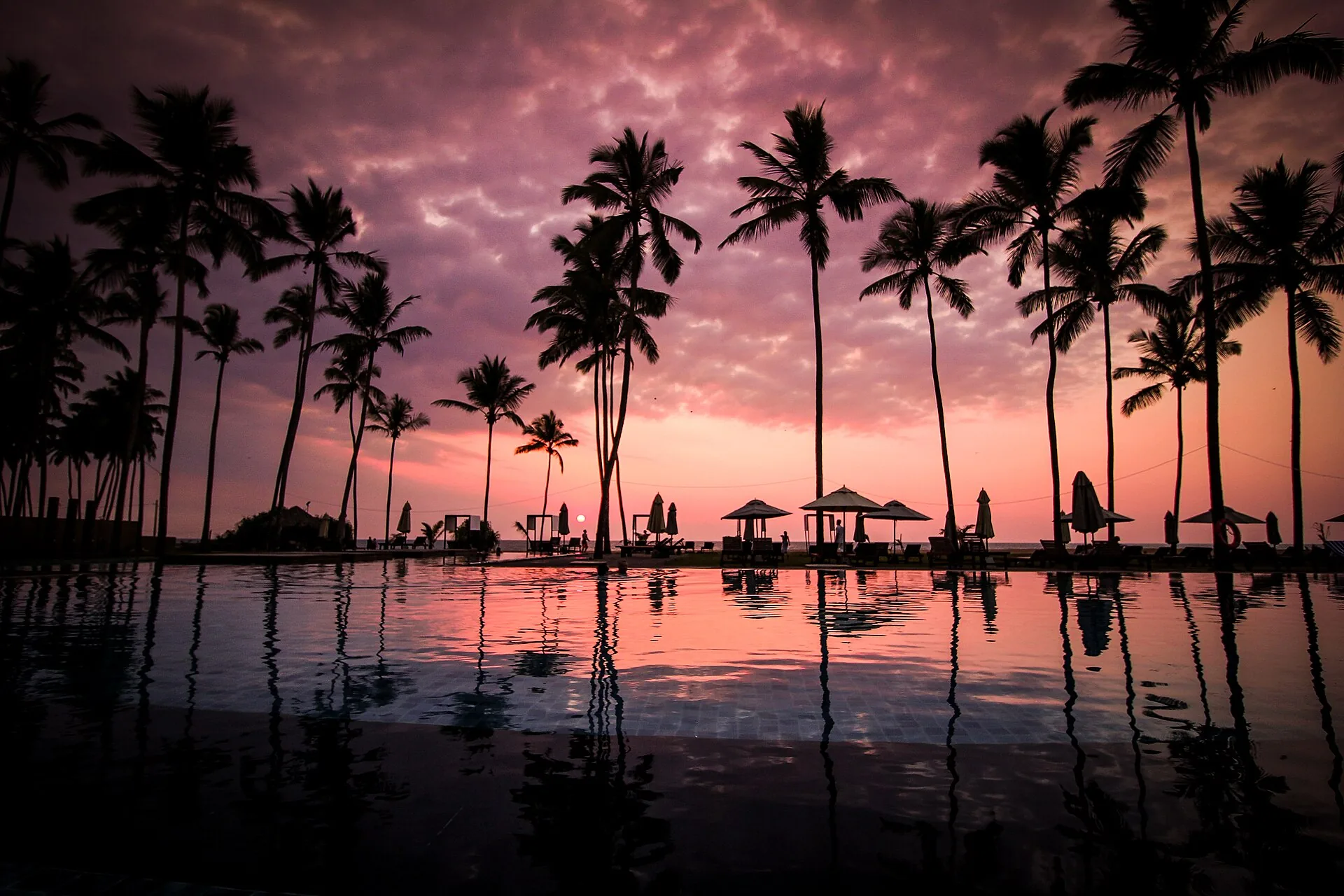
Where PRO is used
On the ground, in every climate
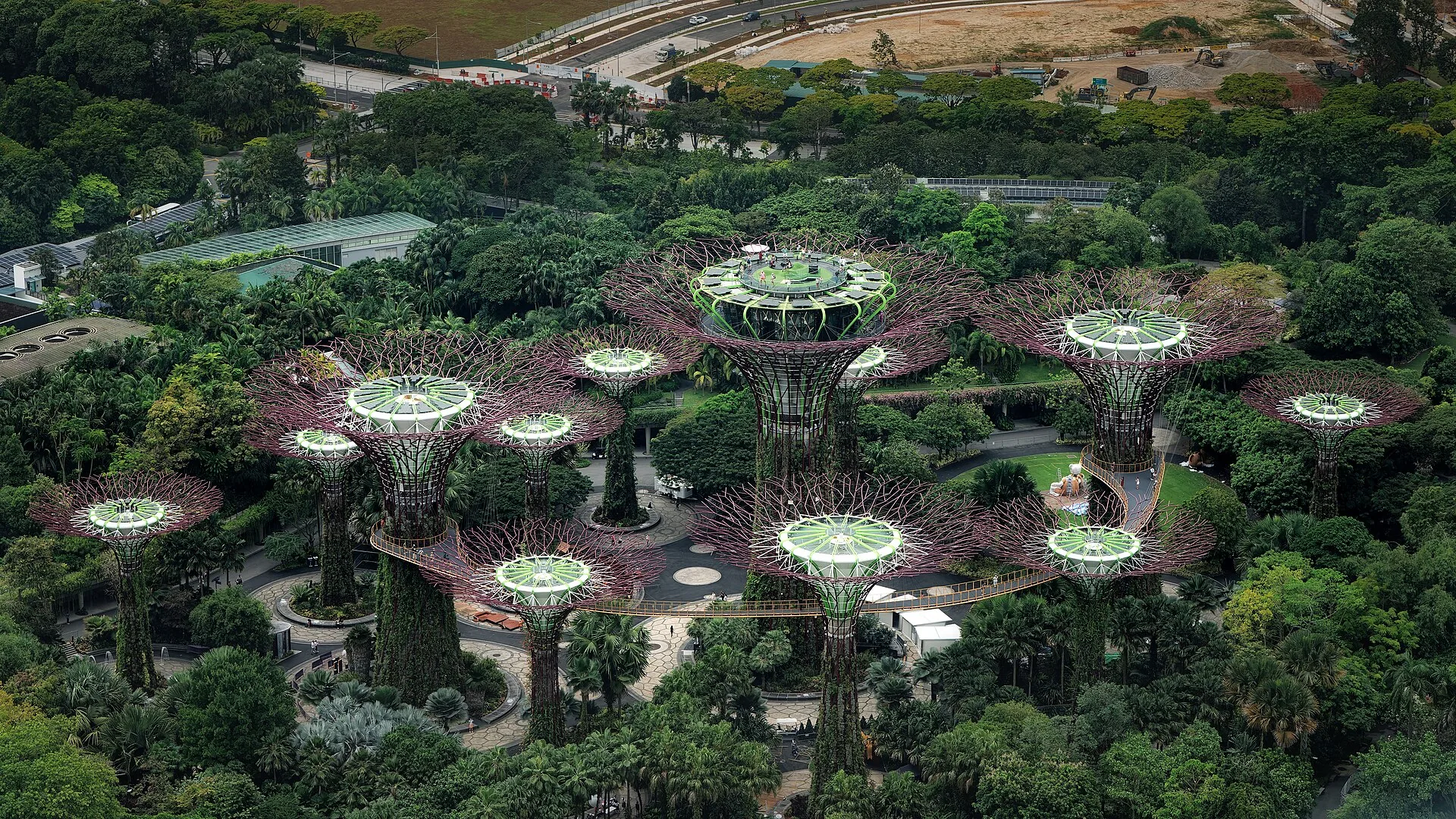
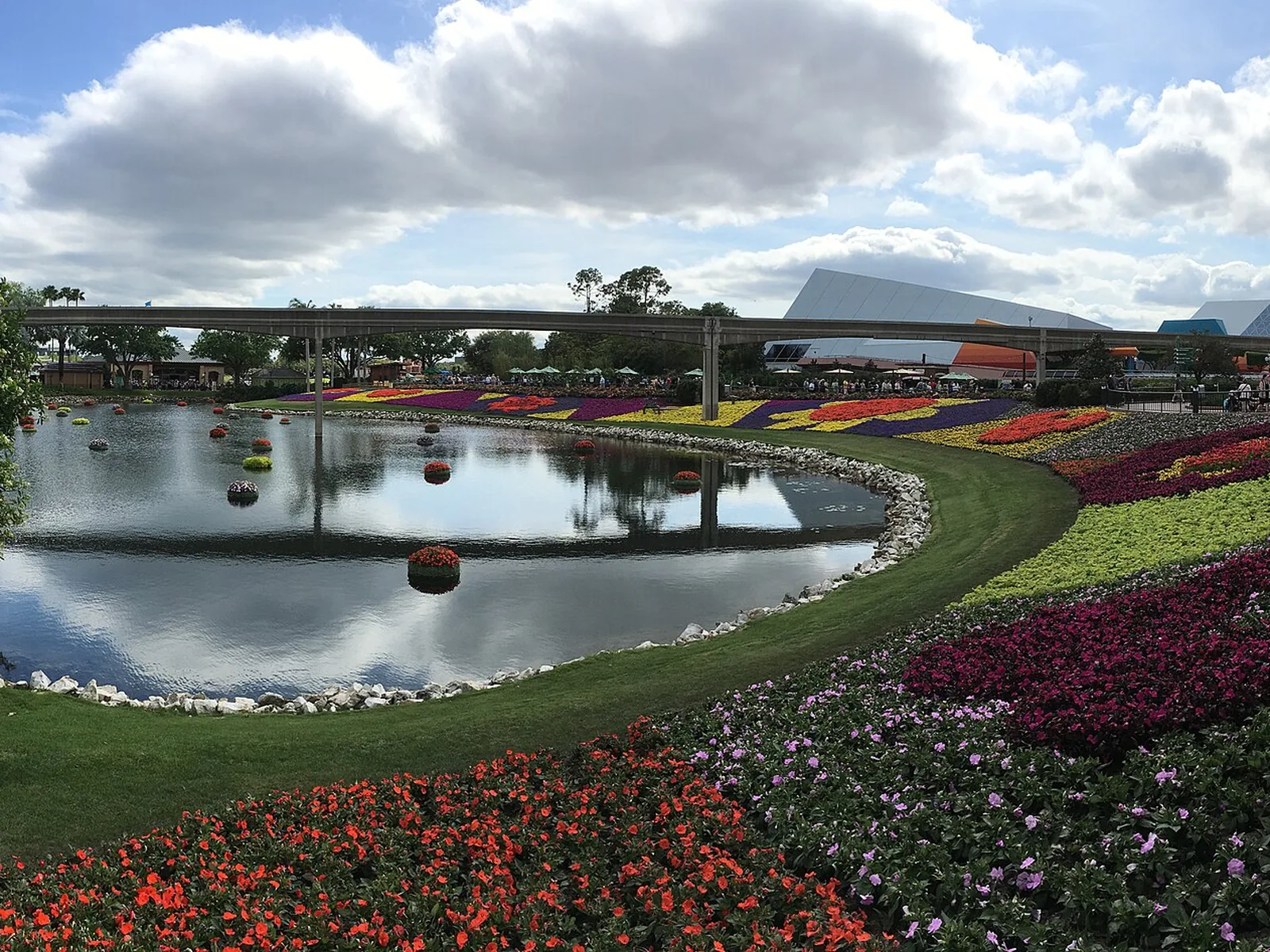
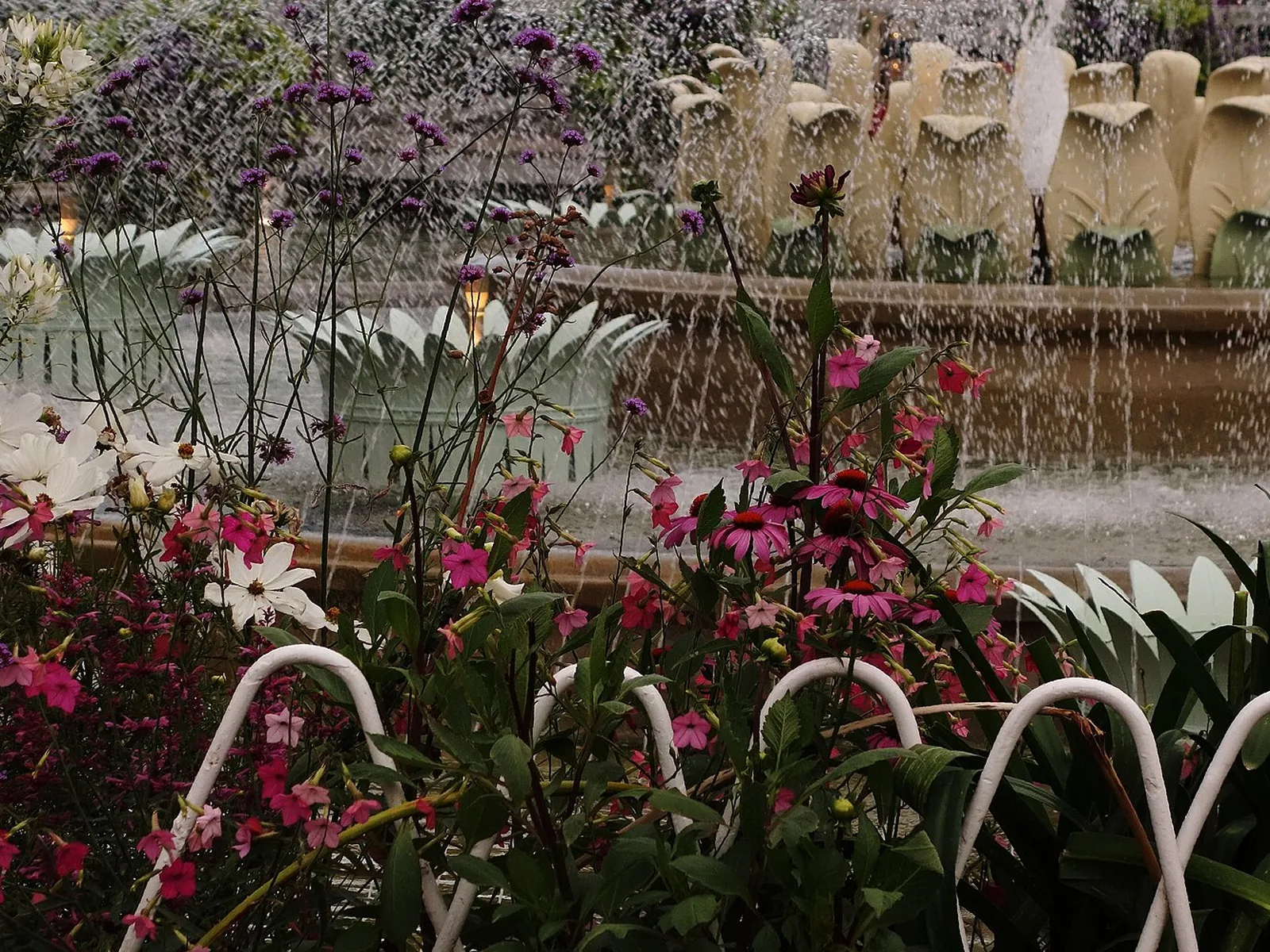
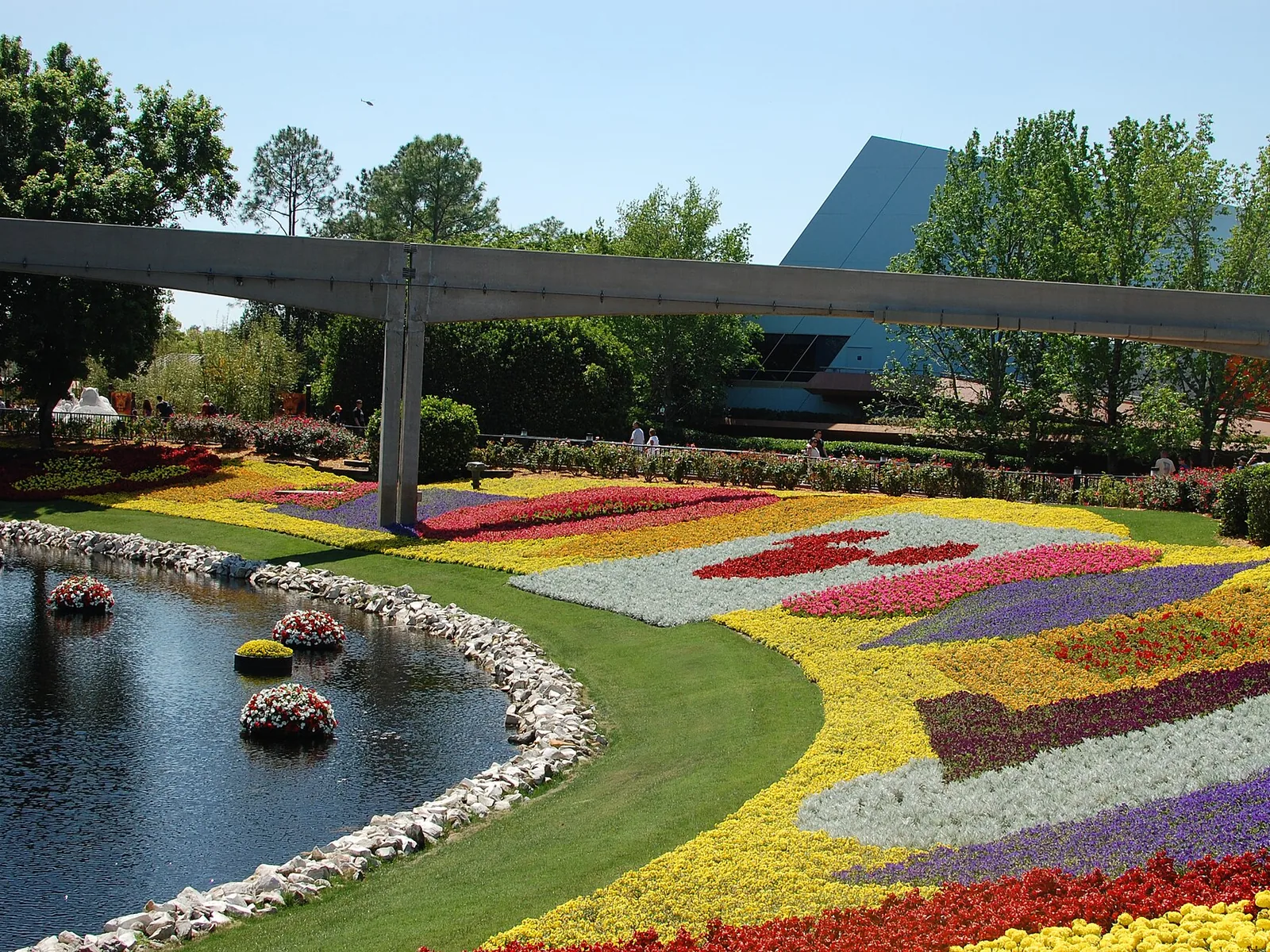
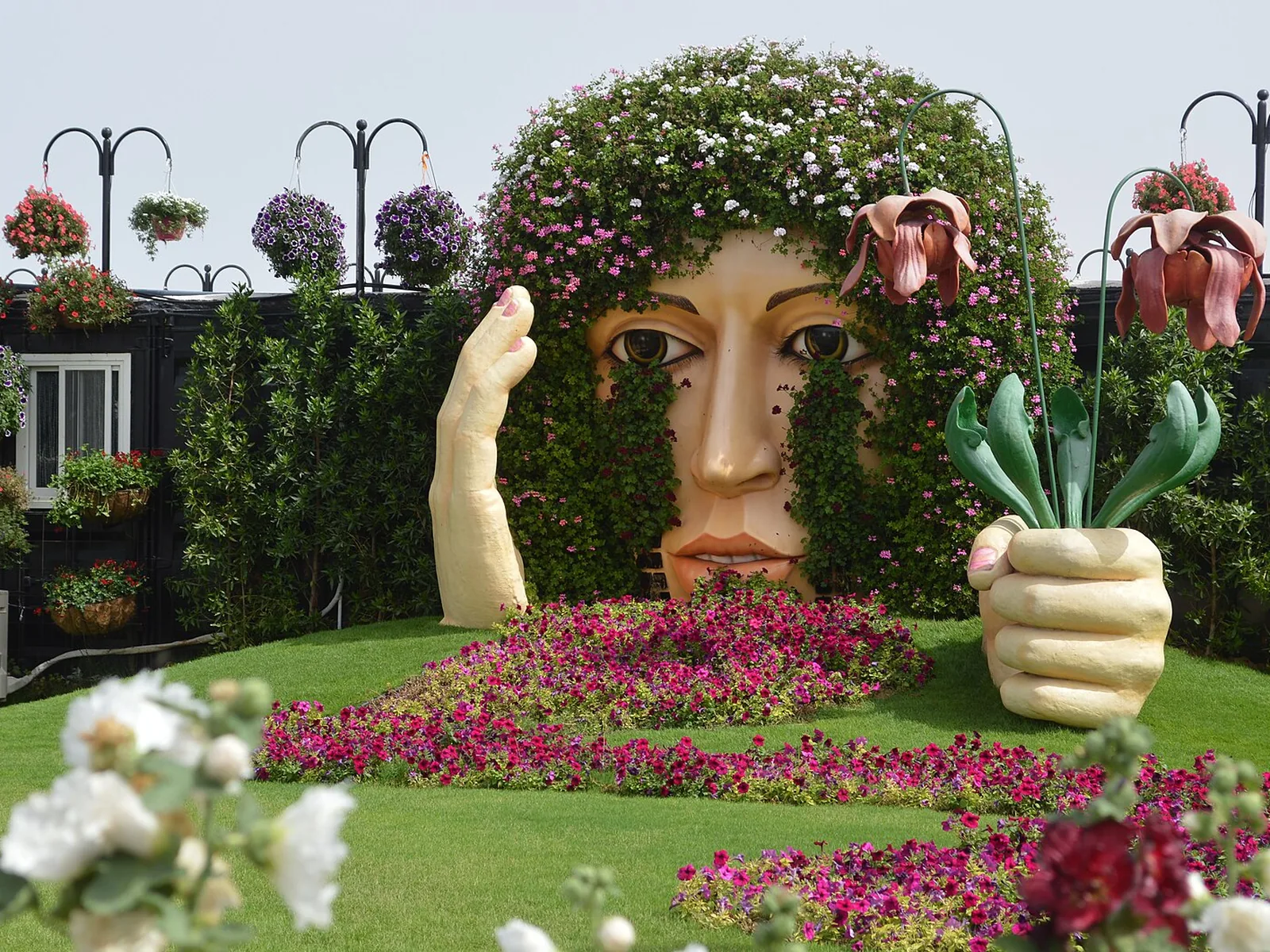
Theme parks & attractions
Grounds teams at world-famous parks keep thousands of species camera-ready year-round. Instant ID means any crew member can answer a guest's 'what plant is that?'
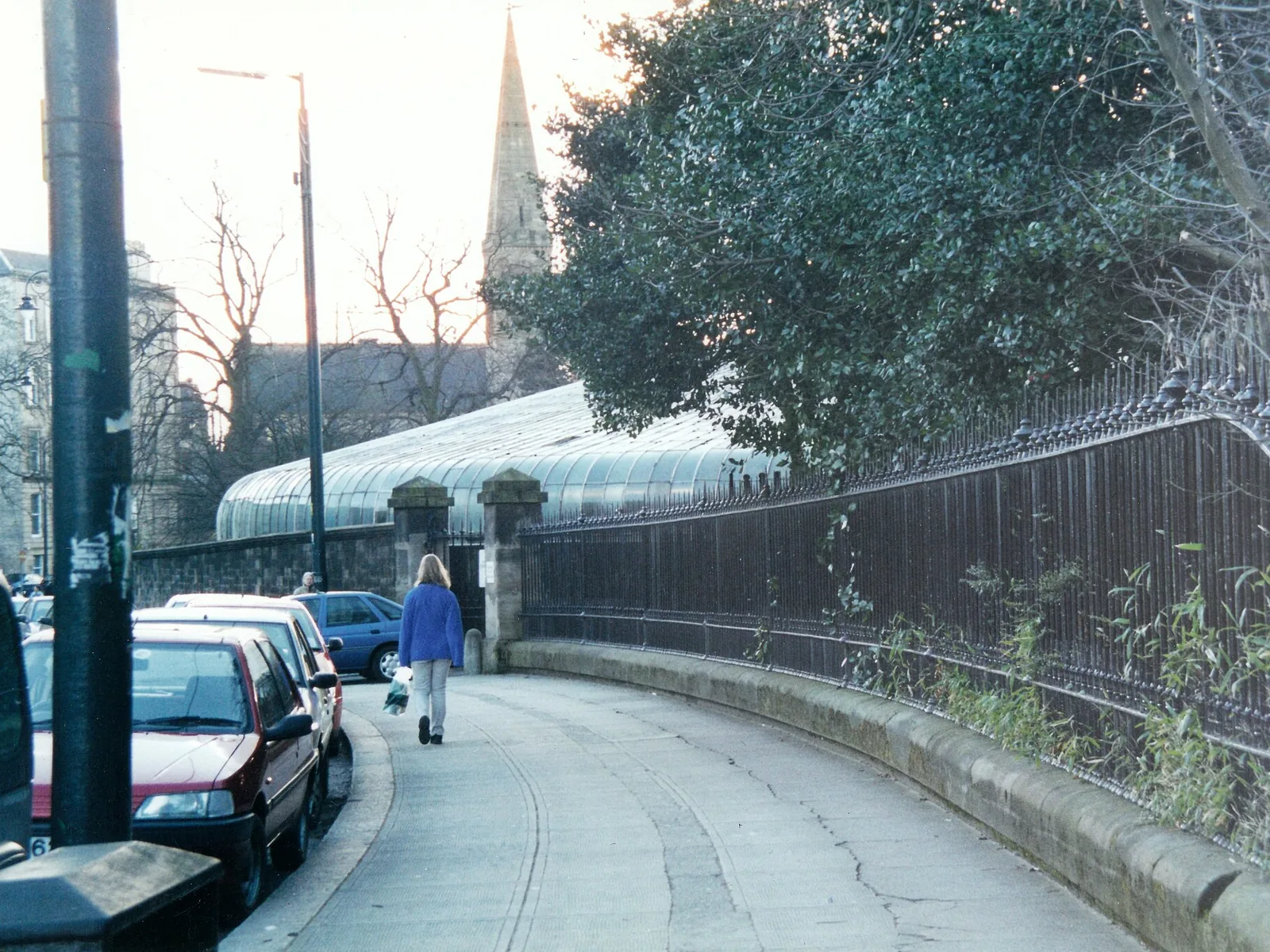
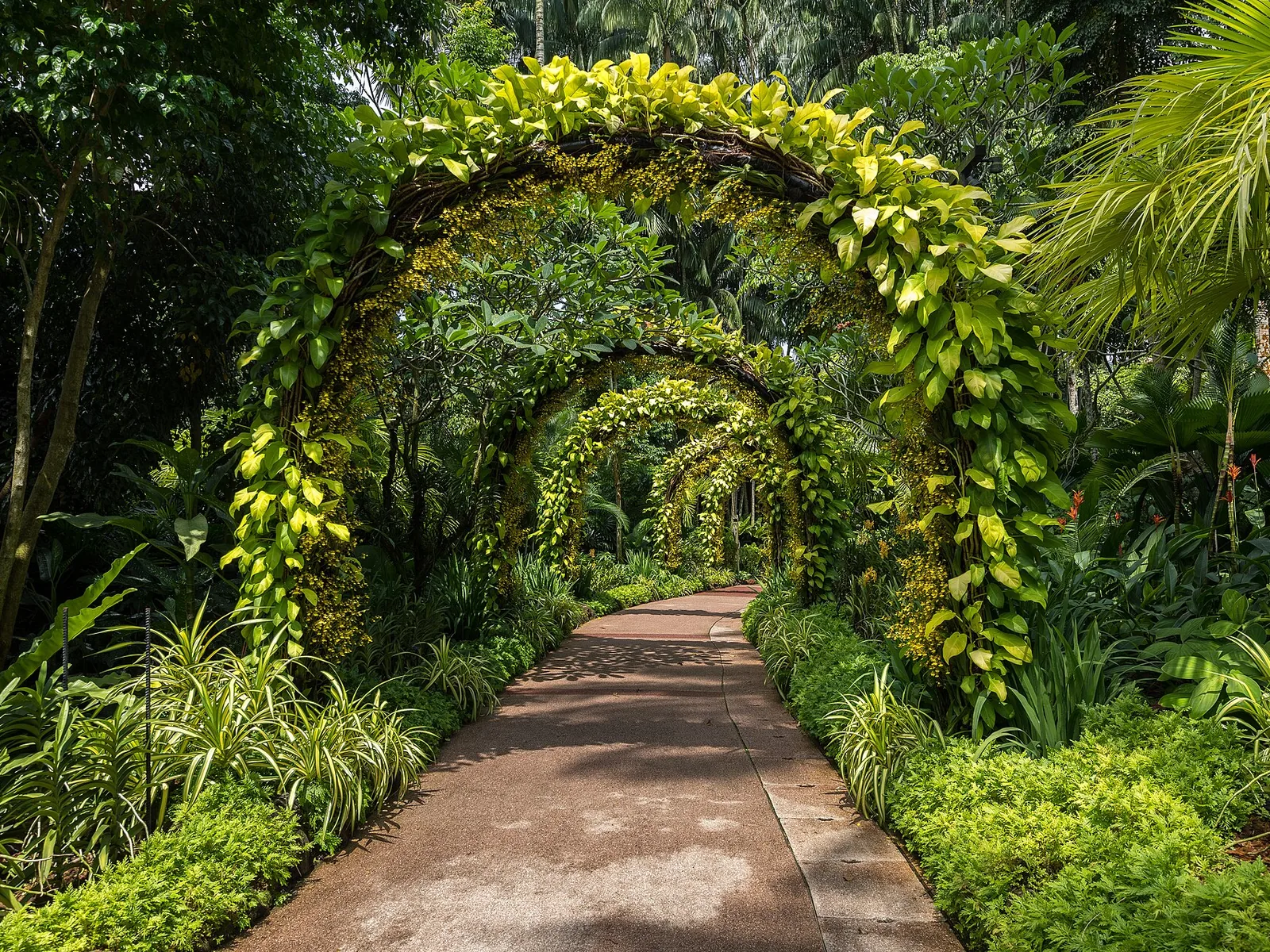
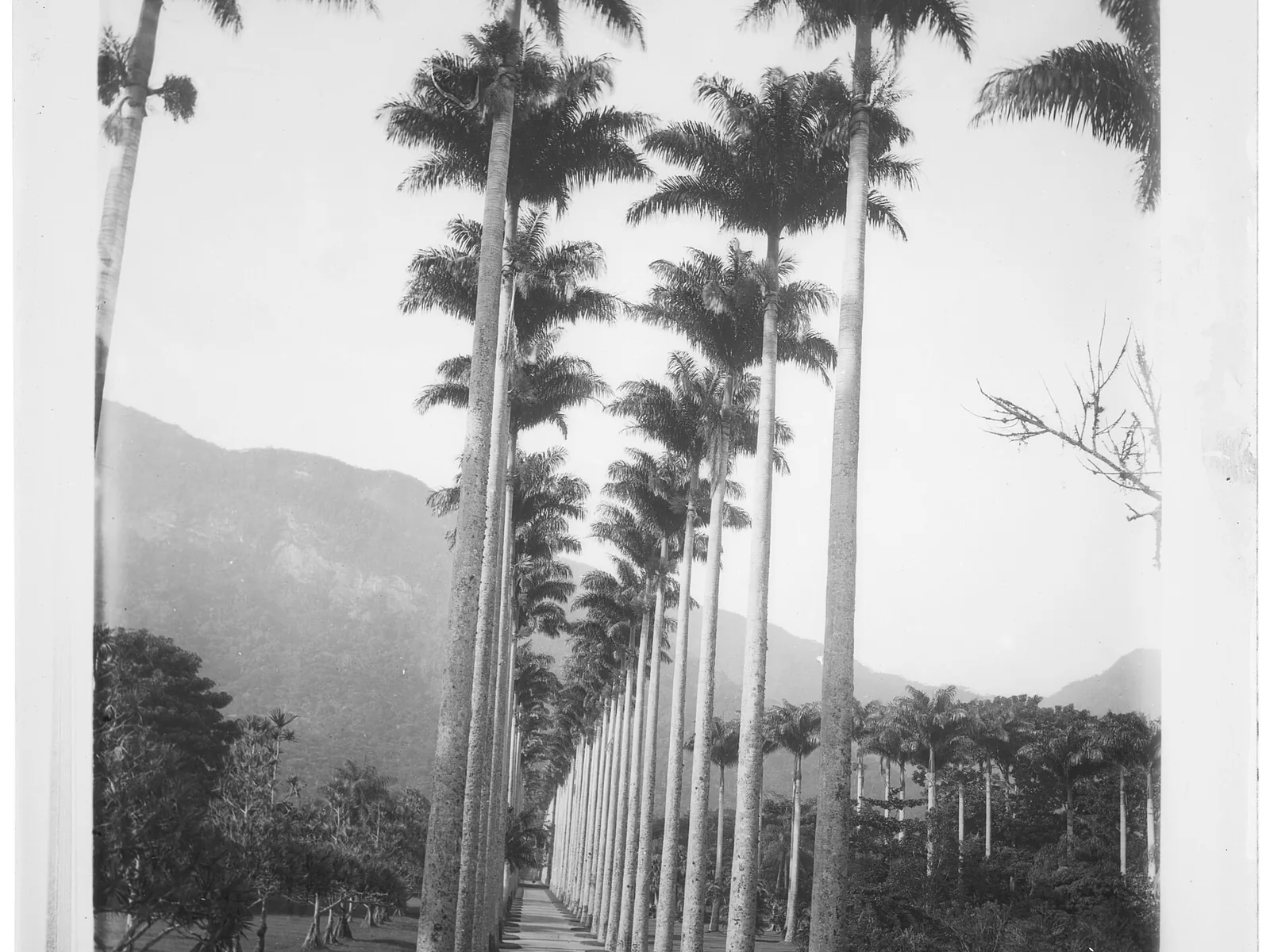
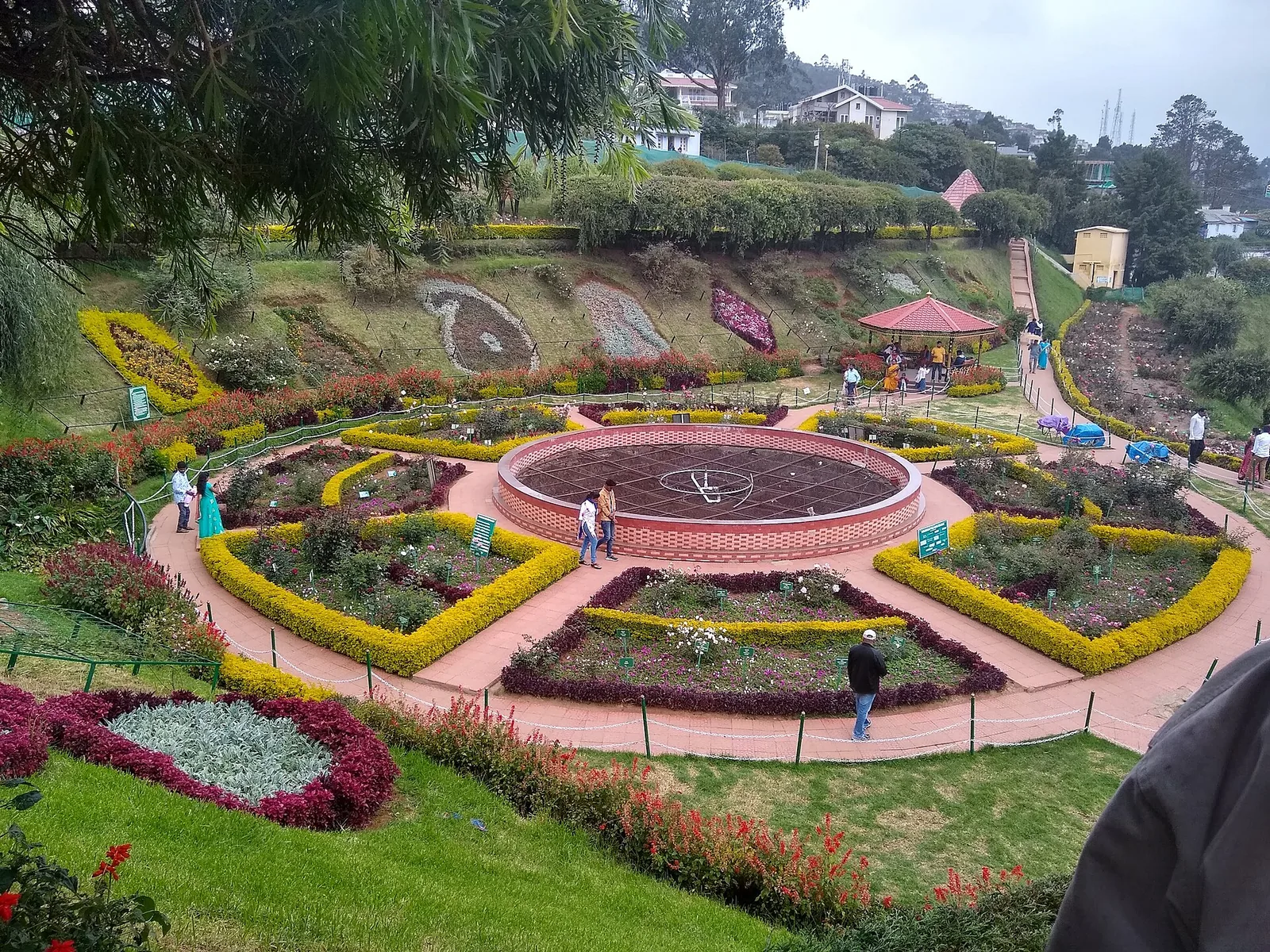
Botanic gardens
Collections teams across Asia and Latin America use photo ID to speed up cataloguing and catch disease before it reaches an entire bed.
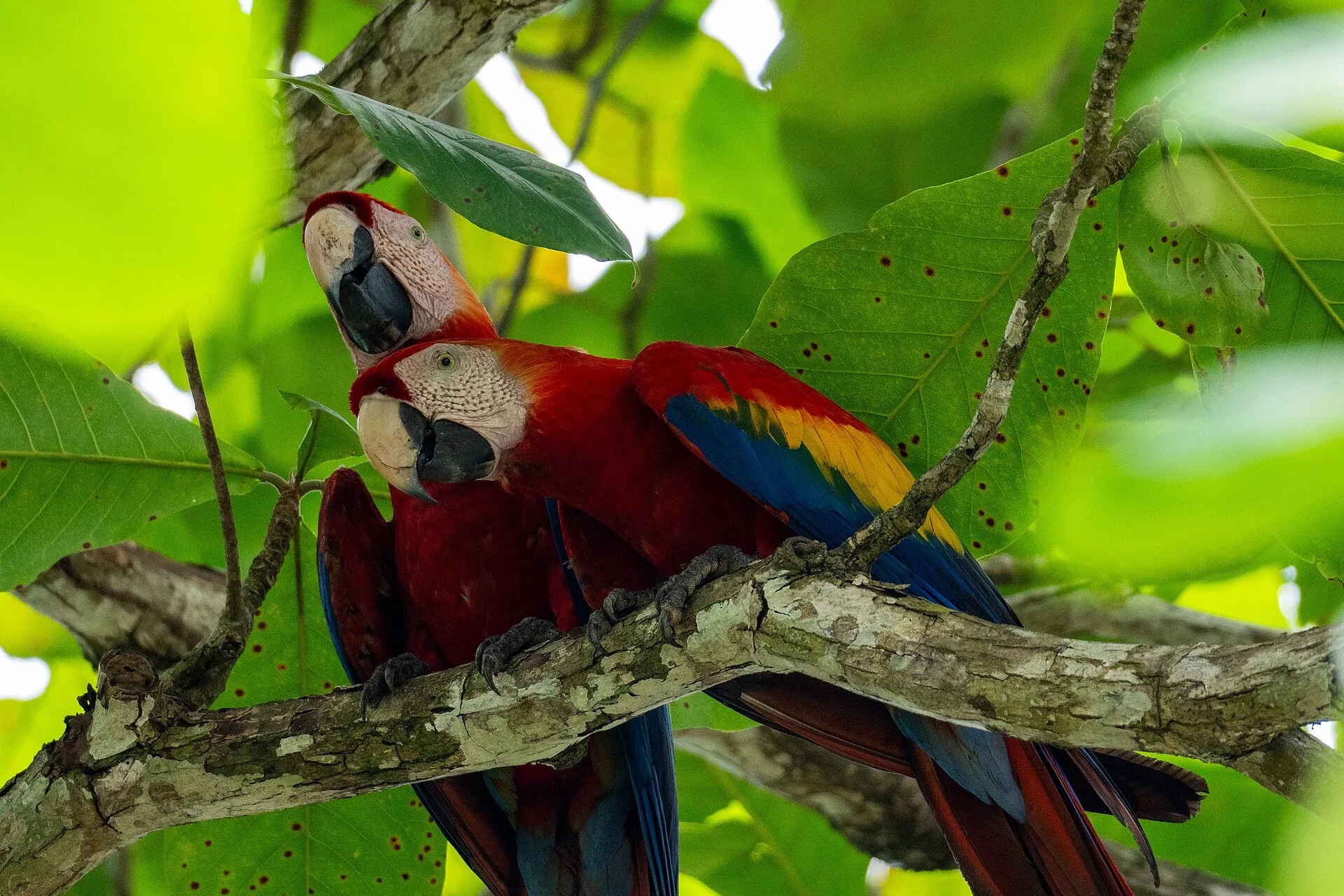
Wildlife sanctuaries
From a Caribbean parrot sanctuary replanting native habitat to coastal reserves — knowing every plant matters when animals depend on it.
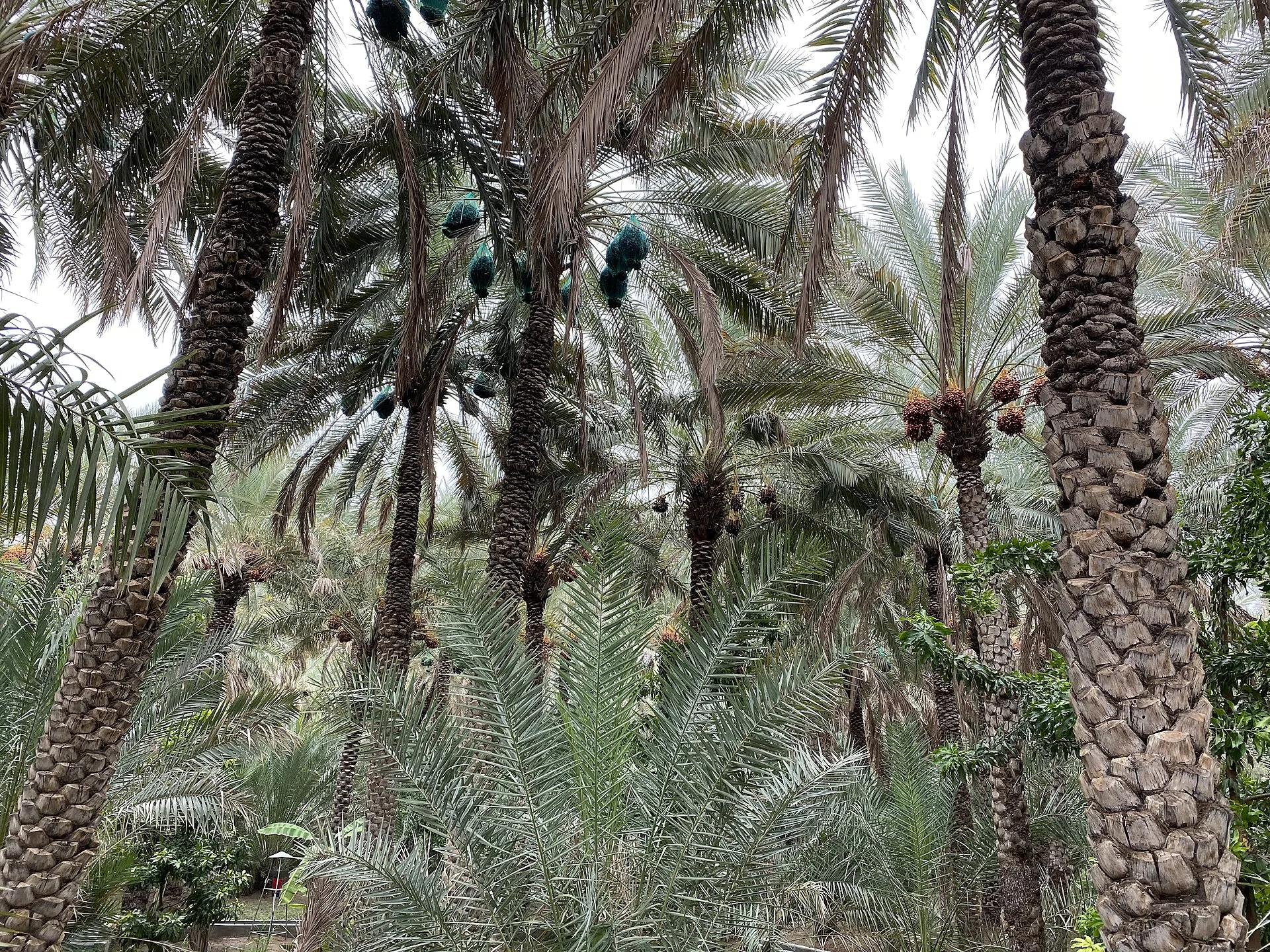
Giga-projects & urban greening
Planting teams building new cities in the Gulf verify species, spacing and stress signs across millions of new plantings.
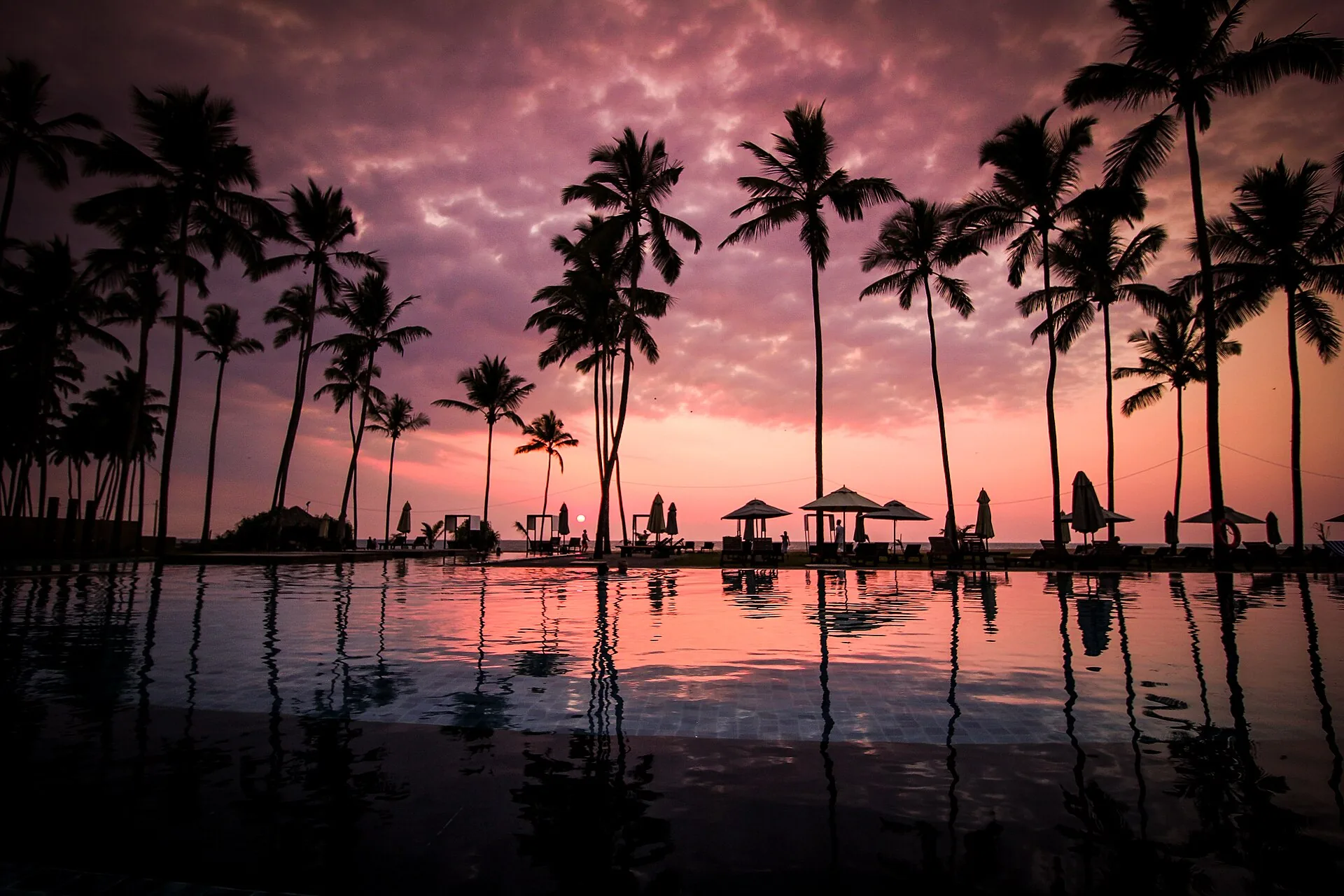
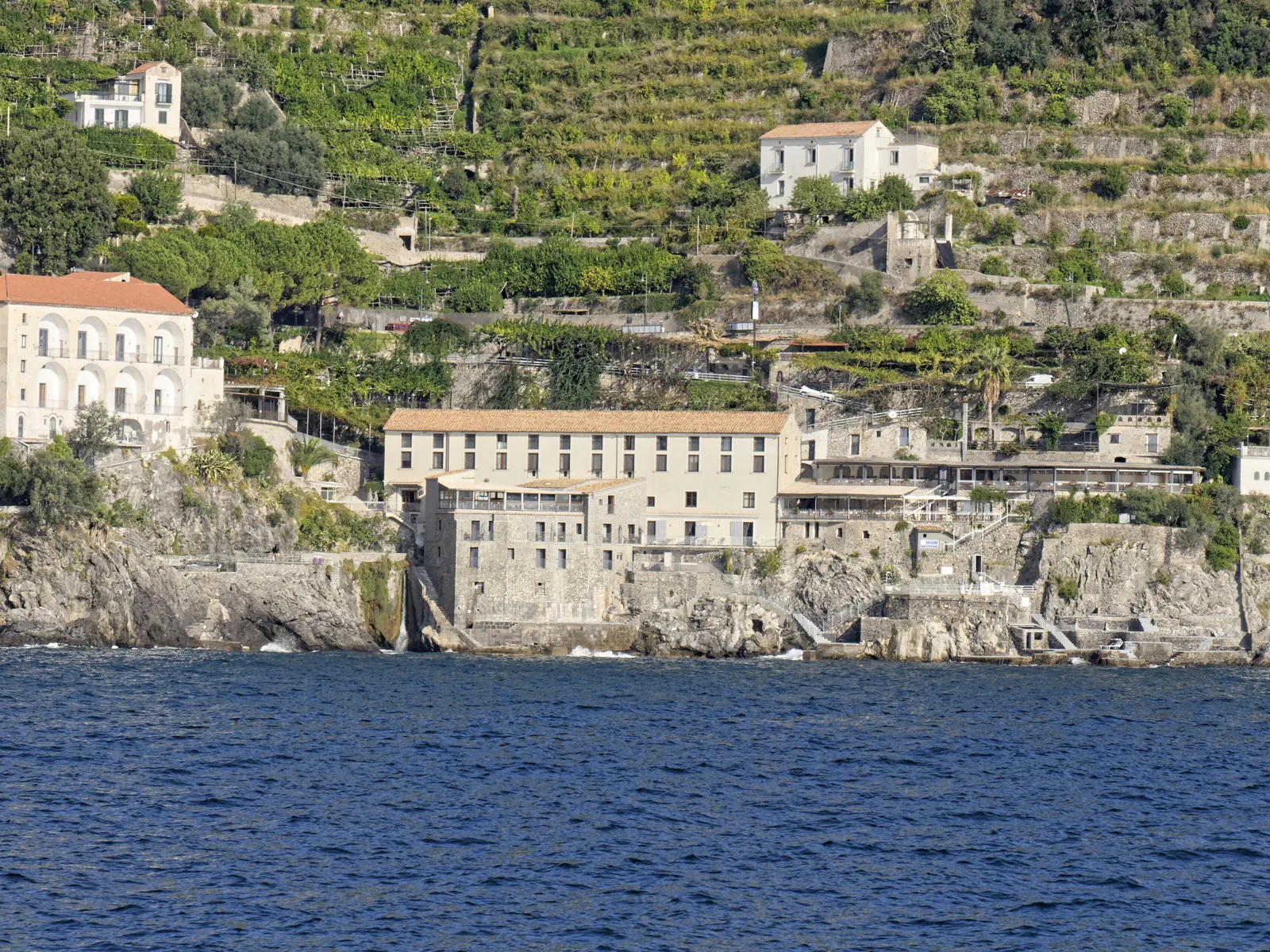
Luxury hospitality
Five-star resorts, estate gardens and even sailing yachts with living interiors — where every leaf is part of the guest experience.
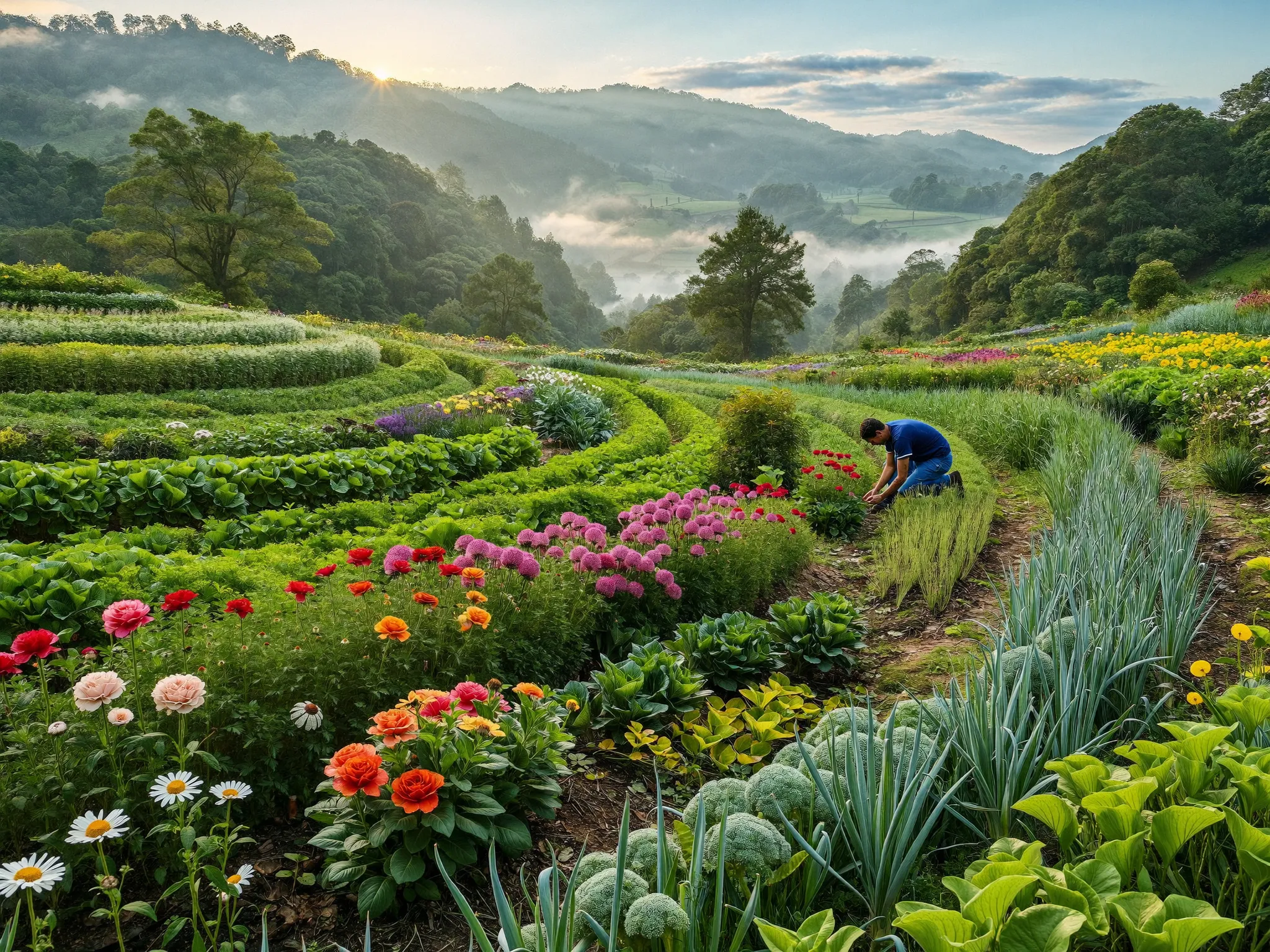
Regenerative farms
Smallholders and self-sufficient farms diagnose crop stress early, without waiting for an agronomist visit.
In their words
From the people who use it daily
“Every new hire can identify anything on property from day one. That used to take seasons.”
— M.R., Senior Horticulturist, a world-renowned Florida theme park
“We catalogue new accessions in half the time, and the disease flagging has caught two outbreaks before they spread.”
— L.T., Head of Collections, a botanic garden in Southeast Asia
“Across a job this size, one wrong species repeated ten thousand times is a very expensive mistake. This stops that from happening.”
— K.A., Landscape Lead, a Gulf giga-project
“My gardeners photograph, the app answers, and the guest thinks we know everything. Honestly, now we do.”
— P.D., Grounds Director, a five-star resort group
“I farm two hours from the nearest agronomist. Being able to diagnose a leaf on Tuesday, not next month, changes what we can grow.”
— J.S., Founder, an off-grid farm in Andalusia
Quotes shared with permission; names withheld at our users' request.
The engine
The same recognition core, on the job
35,000+
plant classes recognized
93%
correct species in the top results
500+
diseases, pests & stresses detected
28
languages supported
10+ yrs
of botanical training data