Journal/Troubleshooting · 6 min read
Identify Plant Diseases from a Photo
A field guide to identifying leaf spot, powdery mildew, rust, blight, and root rot from a photograph — plus how AI diagnosis works.
Quick answer
Most houseplant diseases fall into five patterns: leaf spot (dark spots with yellow halos), powdery mildew (white dust), rust (orange pustules), blight (spreading brown lesions), and root rot (wilting with wet soil). A well-lit close-up of the affected leaf is usually enough to identify which.
You don't need a lab to identify most plant diseases. A good photograph and a checklist will get you 80% of the way there — and an AI diagnosis tool like PlantMe closes the rest.
How to take a diagnostic photo
- Fill the frame with the affected leaf.
- Shoot in bright, even daylight — avoid flash.
- Get one shot of the top of the leaf, one of the underside.
- Include one shot of the whole plant for context.
The five diseases you'll actually see
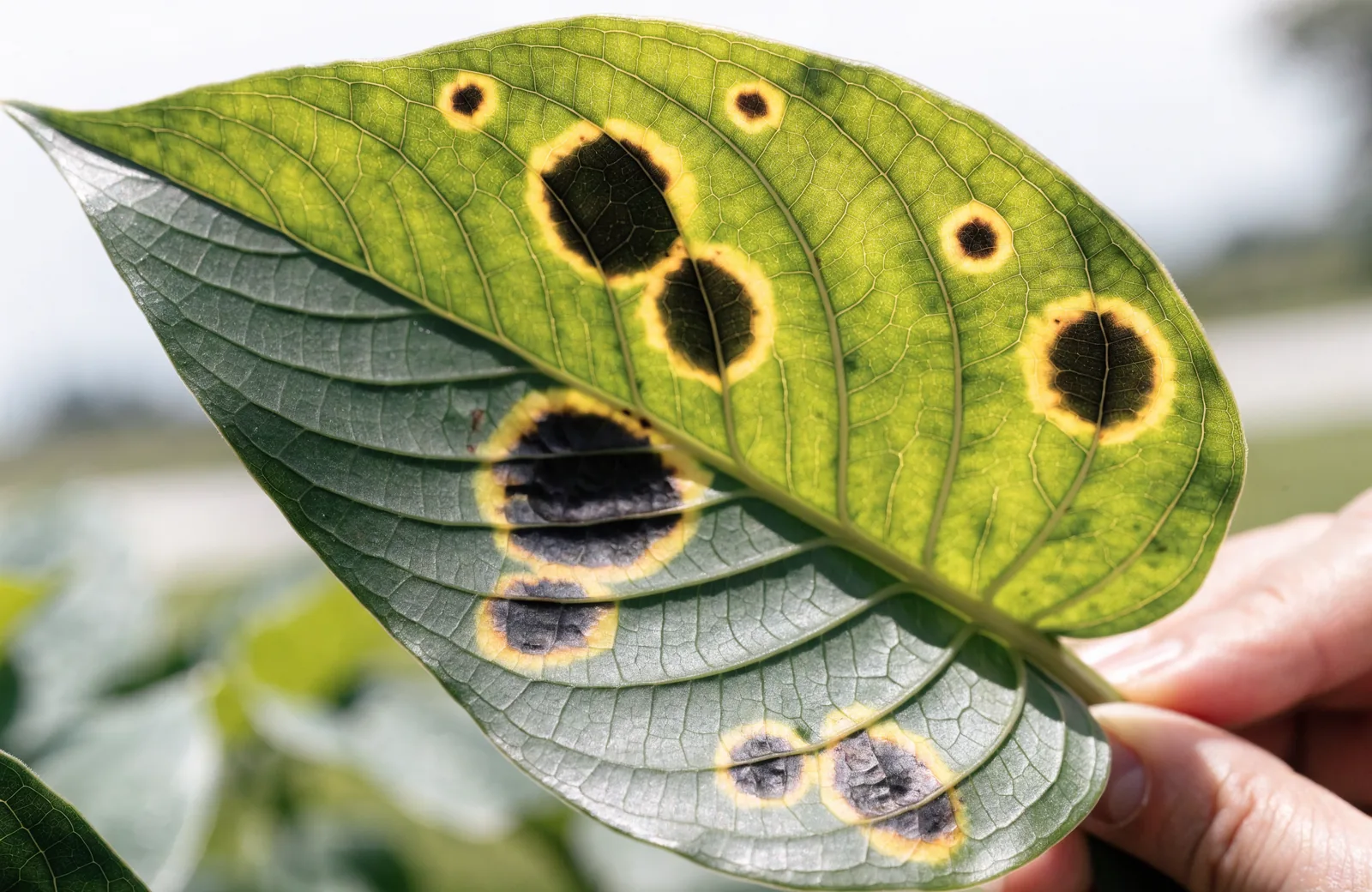
Leaf spot: dark circular patches, often with a yellow halo. Caused by fungi or bacteria; remove affected leaves and improve airflow.
Powdery mildew: a white, dusty film on the top of leaves. Loves warm, still air. Treat with a milk-and-water spray or a sulphur fungicide.
Rust: orange or brown pustules on the undersides of leaves. Bin infected leaves — don't compost them — and space plants out.
Blight: rapid, water-soaked lesions that turn brown and spread down stems. Common on tomatoes. Remove and destroy affected tissue immediately.
Root rot: not visible on the leaves at first — you'll see wilting despite wet soil. Unpot the plant; healthy roots are white, rotten roots are brown and mushy.
PlantMe's disease model is trained on millions of expert-labelled photos and returns a named diagnosis plus a treatment plan in seconds.
About the author

Plant Rescue & Troubleshooting
Camille spent years behind the counter of a plant shop where every customer arrived with the same question: what's wrong with it? She writes the Journal's rescue guides — calm, diagnosis-first, no guilt — because most 'dying' plants are one correct decision away from recovery.
Try it yourself
Diagnose it instantly with PlantMe
Snap a photo of any plant or leaf. Get the species, the diagnosis, and a care plan in seconds.
Download on theApp StoreKeep reading